What is it?
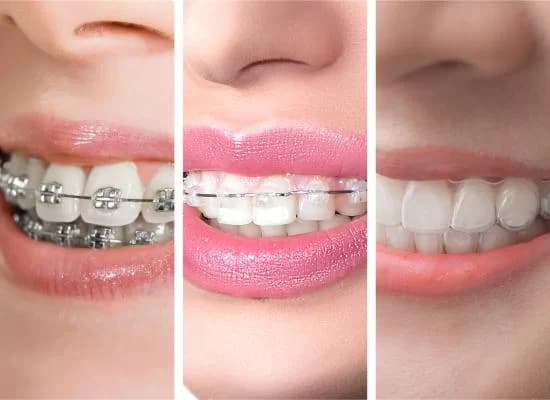
Ceramic braces work like metal braces but use tooth-coloured or clear brackets for a less noticeable look while still providing fixed orthodontic control.
Who needs it?
- Image-conscious teens and adults wanting fixed braces aesthetics
- Cases suited to fixed appliances rather than aligners
Symptoms
- Crowding or spacing needing braces
- Preference to avoid metallic smile appearance
Causes
- Same developmental and growth factors as other malocclusions
Benefits
- More discreet than metal brackets
- Fixed—less dependent on removable-tray discipline
- Effective for many comprehensive cases
Risks & considerations
- Brackets can be more brittle than metal
- Some ties may stain with diet (tea, turmeric, coffee)
- Slightly higher cost than basic metal in many clinics
- Hygiene demands remain critical
Treatment process
- Orthodontic records and consent
- Bonding ceramic brackets
- Scheduled adjustments
- Debond and retainers
Recovery
Similar to metal braces: short-lived pressure after visits; soft diet as needed; excellent oral hygiene.
Duration
Often similar to metal braces—commonly 12–30 months.
Cost (Bangalore indicative)
₹40,000 – ₹90,000+ depending on system and case. Indicative Bangalore ranges; confirm at consultation.
Indicative Bangalore ranges for planning only. Final fees confirmed after clinical examination.
Success & outcomes
Comparable tooth movement capability to metal braces for many cases when protocols are followed; material care differs.
Frequently asked questions
Do ceramic braces stain teeth?
Brackets themselves are resistant, but elastic ties can discolour. Professional colour choice and diet advice help. Tooth enamel stains are separate hygiene issues.
Ceramic vs aligners—which is better?
Fixed ceramic braces suit patients who need continuous force without relying on tray hours. Aligners suit disciplined wearers with suitable bite patterns. Exam decides.
Related treatments
Medically reviewed by Dr. RV Roshini, MDS (Prosthodontics & Implantology). Last updated 2026-07-01. Educational references include publicly available guidance from organisations such as the Indian Dental Association (IDA) and American Dental Association (ADA) patient education materials—adapted for general understanding, not as case-specific advice.